Transnational Gender and Sexuality
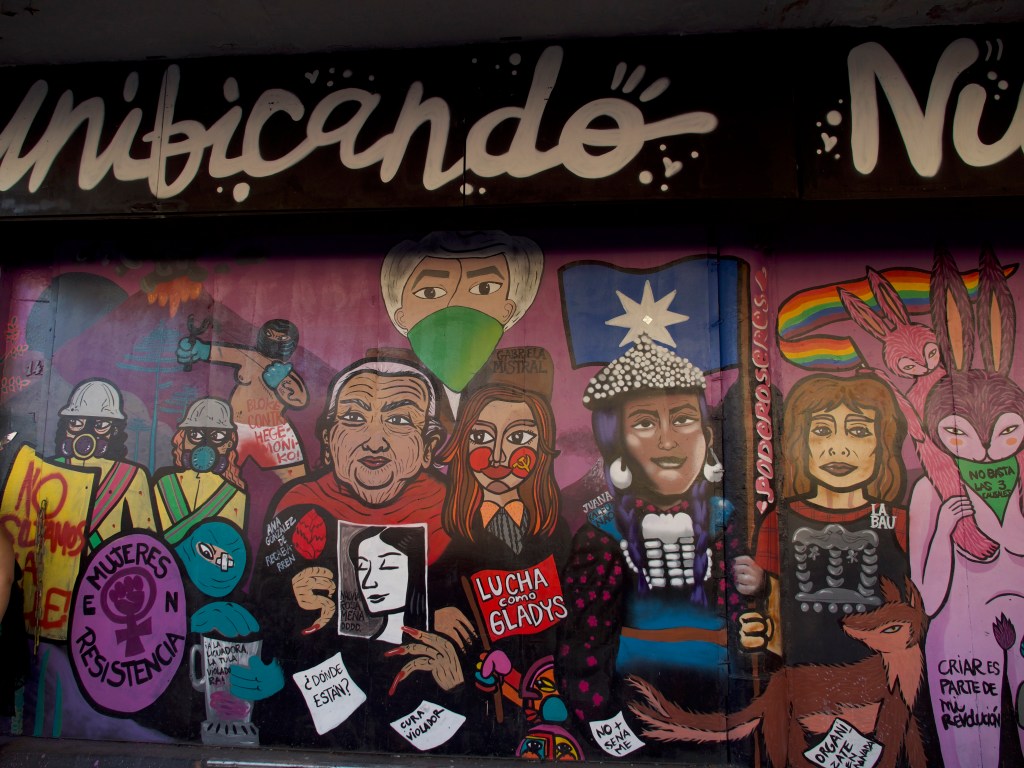
Course Description
This interdisciplinary course explores the transnational dimensions of gender and sexuality, focusing on the ways in which these identities and practices are shaped by global forces such as economic liberalization, colonialism, and post-colonialism. Drawing from diverse global perspectives, the course will interrogate the social construction of gender and sexuality and exploring alternative ways of understanding gender identity and sexual orientation beyond the “Western” framework. Students will critically analyze the complexities of gender and sexuality in relation to globalization, migration, and the politics of identity, while also engaging with the potential and limitations of studying gender and sexuality across borders. Through readings, discussions, and multimedia materials, the course will also delve into the activism, movements, and contributions of marginalized groups, including women of color and queer diasporas, to contemporary feminist and queer thought.
Learning Outcomes
At the end of this course, students should be able to:
- Understand the social construction of gender and sexuality and analyze how these categories intersect with race, class, nationality, and other axes of identity.
- Critically assess the implications of globalization, colonialism, and economic policy for gender and sexual identities, practices, and movements.
- Examine the limitations and possibilities of studying gender and sexuality through transnational, intersectional feminist frameworks.
- Reflect on how global systems of power and cultural movements shape and reshape gender and sexuality in diverse regions and communities around the world.
- Practice analytic reading, writing, and discussion skills that are broadly useful in the humanities, social sciences, and professional contexts
 Nikola Garcia Johnson